
Energy storage systems are becoming increasingly important for commercial and industrial applications, renewable energy integration, and electric vehicle infrastructure. However, achieving reliable performance requires more than selecting suitable batteries. The power conversion architecture, especially the DC-DC converter, plays a critical role in managing energy flow, improving efficiency, and ensuring system flexibility.
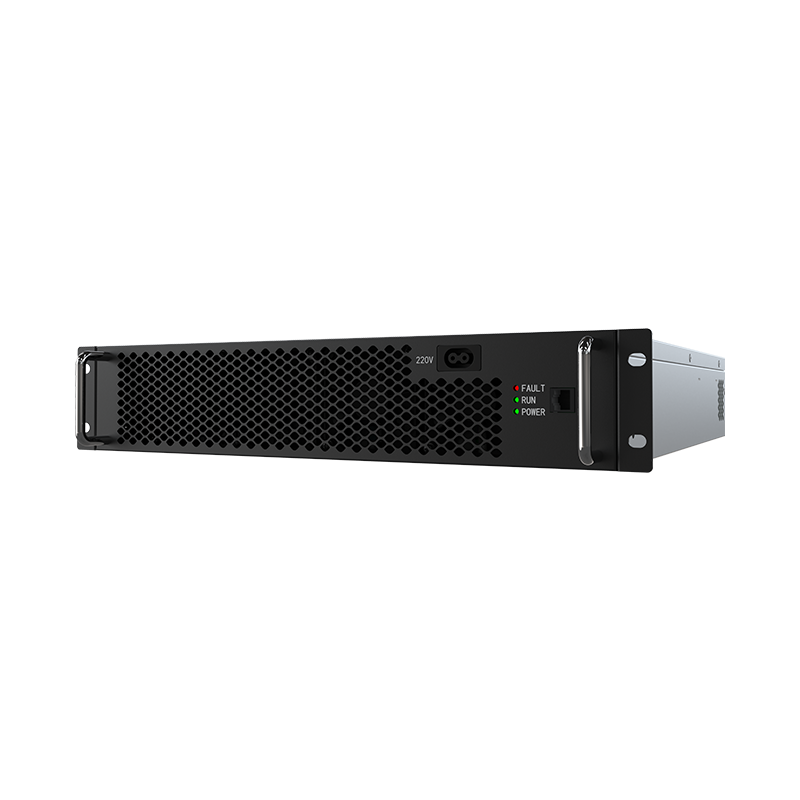
At Enjoypowers, we develop advanced power conversion technologies designed for modern energy applications. Our bi-directional DC-DC converter platform supports multiple operating modes for applications including battery energy storage, PV MPPT, and EV charging. With MPPT capability, multiple operating modes, and modular parallel expansion, our systems help businesses build efficient and adaptable DC energy platforms.
Understanding the Role of a DC-DC Converter in Energy Storage Systems
A DC-DC converter manages voltage conversion and energy transfer between different DC sources within an energy storage system. In applications such as solar-plus-storage projects, battery systems, and microgrids, the converter ensures that energy flows efficiently between PV modules, batteries, DC buses, and connected loads.
For DC-coupled battery storage systems, the converter is especially important because it allows batteries and renewable energy sources to share a common DC bus. This architecture can reduce conversion losses and improve overall system efficiency compared with systems requiring multiple AC conversions.
When selecting a converter, engineers should consider several factors, including power rating, voltage range, scalability, control functions, and application requirements. Choosing the correct configuration helps ensure support operation and better long-term project value.
Selecting Power Ratings Based on Energy Storage Requirements
Power rating is one of the most important criteria when evaluating a converter for energy storage. The required capacity depends on the battery size, PV generation capacity, load profile, and system expansion plans.
Small-scale systems may require compact converters for distributed energy applications, while commercial and industrial projects often need higher-power solutions capable of handling large energy flows. A properly sized converter should support current operational requirements while leaving room for future expansion.
At Enjoypowers, our bi-directional converter supports 50 kW and 63 kW module configurations. Multiple units can operate in parallel, allowing customers to scale systems according to project needs. With up to 16 modules connected in parallel, total system capacity can scale from approximately 800 kW to over 1000 kW depending on the selected module rating.
Improving Solar Utilization with an MPPT DC-DC Converter
For photovoltaic energy storage systems, improving solar energy harvesting is a major consideration. An MPPT DC-DC converter helps optimize PV energy harvesting by continuously adjusting operating conditions to maintain maximum power output from solar panels.
Commercial PV installations often face challenges such as different panel orientations, changing weather conditions, and partial shading. Without proper power tracking, valuable solar energy may be lost.
Our MPPT DC-DC converter integrates built-in maximum power point tracking functionality for PV-coupled storage applications. The system can operate as a PV input converter while connecting battery storage to a common DC bus. This design provides a more flexible approach for renewable energy systems that require both generation optimization and energy storage management.
Evaluating Power Capability and Application Flexibility
Modern energy projects often require equipment that can support different operating scenarios. Instead of using separate converters for each application, a flexible platform can reduce complexity, simplify maintenance, and support different application requirements.
Our bi-directional converter supports six firmware-selectable operating modes, including constant voltage, bi-directional constant voltage, constant current, constant power, boost MPPT, and buck MPPT. These functions allow the same hardware platform to serve as a PV input converter, battery DC-DC converter, or EV charger output converter.
This multi-function design helps businesses reduce spare parts requirements and simplify system management. The same hardware platform can be configured for different project roles through firmware selection.
Ensuring Reliable Operation Through Intelligent Parallel Control
Large-scale energy storage projects require not only high power capacity but also strong system reliability. Modular parallel operation is an effective approach because it allows systems to expand capacity while maintaining operational flexibility.
Our converter platform supports up to 16 units connected in parallel on a common DC bus. The system uses CAN-based master-slave coordination to manage communication and power distribution between modules.
If one unit experiences a fault, the control system can redistribute the load among the remaining modules, depending on the operating configuration This approach helps maintain stable operation and reduces the impact of individual module failures on overall system performance.
Matching DC-Coupled Battery Storage Architecture with Project Goals
A DC-coupled battery storage system requires careful coordination between PV generation, batteries, and power conversion equipment. Engineers should evaluate the complete energy flow rather than selecting components independently.
Factors such as battery voltage range, DC bus requirements, PV capacity, charging strategies, and future expansion should all influence converter selection. Higher battery power demand generally requires higher converter capacity or additional parallel modules A well-designed architecture improves energy efficiency and provides greater control over system operation.
At Enjoypowers, we focus on developing solutions that support practical energy challenges. Our converter technologies are designed to provide flexible integration, efficient energy conversion, and scalable performance for commercial and industrial applications.
Building More Flexible Energy Systems with Advanced DC Conversion
Selecting the right DC-DC converter for energy storage requires a detailed understanding of power requirements, system architecture, and future application needs. From power rating selection to MPPT optimization and modular expansion, every factor affects the reliability and efficiency of an energy storage project.
At Enjoypowers, we continue to develop advanced DC power conversion solutions that help businesses achieve smarter energy management. With bi-directional operation, MPPT capability, and scalable parallel design, our converter platforms support the growing demand for efficient DC-coupled battery storage and renewable energy applications.