
Large-scale energy storage projects require power conversion systems that can handle high voltage, demanding operating conditions, and complex grid requirements. As renewable energy deployment continues to expand, utility-scale battery energy storage systems (BESS) are becoming essential for grid balancing, renewable integration, and energy management. Choosing the right Power Conversion System (PCS) is a critical step in ensuring project efficiency, reliability, and long-term value.
At Enjoypowers, we develop advanced power conversion technologies designed for real industrial and utility applications. Our 1500 Vdc ESS PCS solutions are engineered for MW-class energy storage projects, supporting high-voltage battery systems, sodium-ion battery integration, and flexible AC grid connections. With a focus on reliable performance and scalable design, we help businesses build more efficient and resilient energy infrastructure.
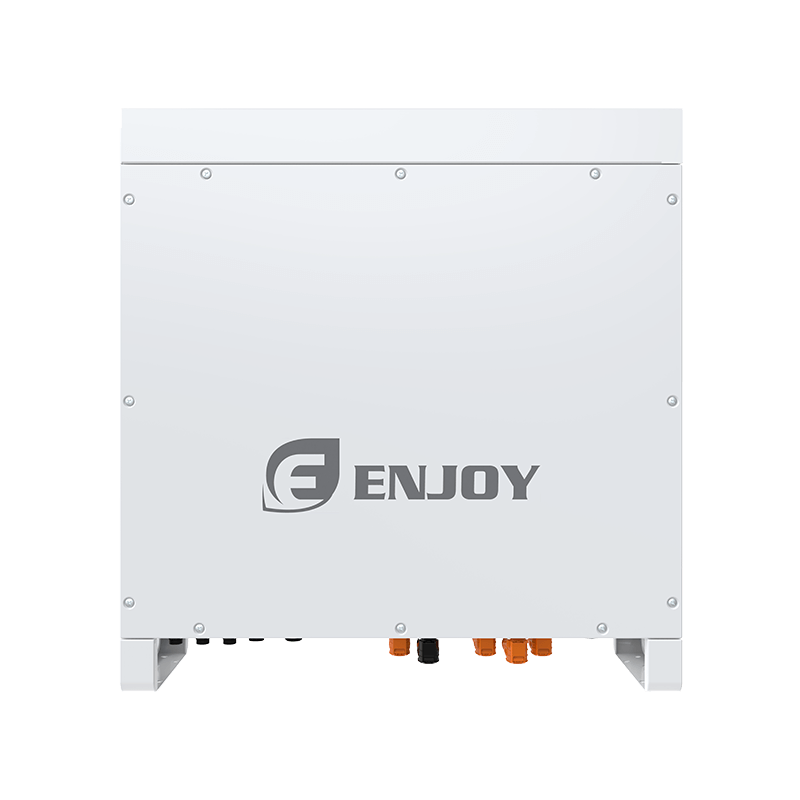
Understanding the Role of a Utility-Scale PCS in Large Energy Storage Systems
A utility-scale PCS serves as the connection point between battery storage systems and the electrical grid. It converts DC power from batteries into AC power for grid supply and converts AC power back into DC power during battery charging.
For MW-class projects, PCS performance directly affects system efficiency, operational flexibility, and grid compatibility. Unlike smaller commercial systems, utility-scale applications require equipment capable of managing high power levels, wide voltage ranges, and continuous operation under changing conditions.
A high voltage battery inverter is particularly important in large energy storage projects because modern battery systems increasingly operate at higher DC voltages. Higher voltage architectures can reduce current levels, improve system efficiency, and decrease cable losses, making them suitable for large-scale installations.
When selecting a PCS, project developers should evaluate key factors including DC voltage range, AC output compatibility, efficiency, battery chemistry support, and grid connection requirements.
Key Specifications of a 1500Vdc ESS PCS for MW-Class Applications
Our 1500Vdc ESS PCS series is designed for utility-scale energy storage applications requiring high voltage operation and flexible grid integration. The air-cooled PCS platform supports 125 kW power output per module and provides a practical solution for large battery storage systems.
The system operates within an 860–1500 Vdc range, with a full-power operating band between 920–1450 Vdc. This wide voltage capability allows the PCS to work with different high-voltage battery configurations while supporting future battery technology development.
One major advantage of the platform is its flexible AC voltage compatibility. A single module supports four AC voltage configurations, including 400 V, 480 V, 690 V, and 800 V. This design allows the same PCS architecture to adapt to different transformer structures, from European low-voltage networks to larger utility-scale step-up systems.
For 400 Vac applications, the configuration provides 125 kW output with 3P4W wiring and supports DC voltage ranges from 600 V to 1500 V. This makes it suitable for sodium-ion battery energy storage systems connecting directly to local low-voltage grids in many regions without requiring additional transformers.
Supporting Sodium-Ion Battery Integration with Advanced PCS Technology
Battery chemistry selection is becoming increasingly important for utility-scale storage projects. While lithium-based technologies remain widely used, sodium-ion batteries are gaining attention due to their resource advantages, safety characteristics, and suitability for large-scale applications.
A utility-scale PCS must be optimized for the specific characteristics of the battery chemistry it supports. The 1500Vdc ESS PCS includes firmware designed for sodium-ion battery operation, with charging profiles, voltage windows, ramp rates, and state-of-charge estimation parameters adjusted for sodium-ion characteristics.
Battery Management System (BMS) integration is also essential for reliable operation. The PCS platform has been tested with multiple sodium-ion battery cell vendors, helping ensure better communication and coordination between battery systems and power conversion equipment.
For project developers considering next-generation battery technologies, this compatibility provides greater flexibility when designing future energy storage systems.
Improving Project Flexibility Through High Voltage Architecture
High-voltage system architecture offers several advantages for MW-class energy storage projects. By increasing DC voltage levels, systems can reduce current requirements for the same power output. This helps lower conductor losses, improve energy efficiency, and simplify large-scale system design.
Our 1500 Vdc architecture provides a scalable approach for different project configurations. The ability to support multiple AC voltage outputs allows developers to use the same PCS platform across various grid environments.
Compliance with European low-voltage standards, including BS and IEC requirements, further expands application possibilities. The PCS enables sodium-ion BESS installations to connect with local LV networks more easily, reducing additional equipment requirements in suitable regions.
For utility operators and energy developers, this flexibility can simplify project planning, reduce equipment complexity, and improve deployment efficiency.
Choosing a Reliable High Voltage Battery Inverter for Future Energy Needs
Selecting a high voltage battery inverter requires careful consideration of technical specifications, battery compatibility, and long-term project goals. MW-class energy storage systems must operate reliably for years while supporting changing grid requirements and evolving battery technologies.
A suitable PCS should provide not only high efficiency but also adaptability. Wide voltage ranges, multiple AC configurations, advanced battery integration, and robust thermal management all contribute to long-term system performance.
At Enjoypowers, we design power conversion solutions that address the challenges of modern energy storage projects. Our 1500Vdc ESS PCS platform combines high-voltage capability, sodium-ion battery compatibility, and flexible grid connection options to support utility-scale applications. By providing reliable and scalable PCS technologies, we help businesses and energy developers create stronger foundations for the future of renewable energy systems.