
Commercial photovoltaic (PV) plants operate differently from small residential solar systems because they involve larger generation capacity, more complex electrical layouts, and higher operational requirements. As system power increases, inverter selection becomes more focused on efficiency, reliability, grid interaction, and long-term energy management.
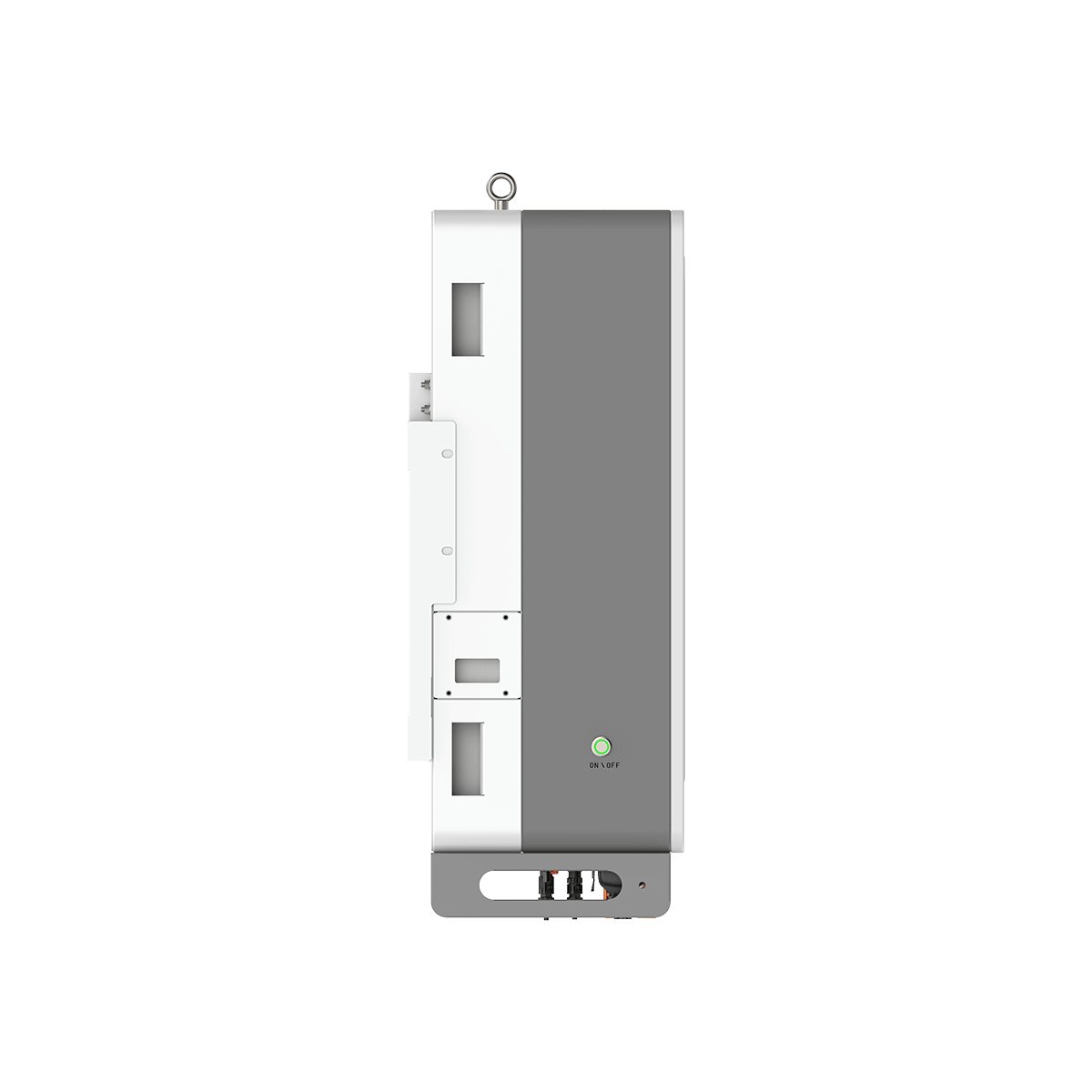
A solar inverter used in a commercial PV plant is responsible for converting DC power from solar modules into AC electricity while maintaining stable operation under changing generation conditions. At higher power levels, factors such as system architecture, MPPT design, grid compatibility, and monitoring capabilities become increasingly important.
Enjoypowers has observed that many commercial PV projects require more detailed technical evaluation because inverter performance directly affects energy yield, system stability, and future expansion possibilities.
How Commercial PV Inverters Differ From Smaller Systems
The biggest difference between commercial and residential PV systems is the scale of power management. Larger installations typically include more solar modules, multiple inverter units, and more complex connections to the electrical network.
At this power range, the inverter must handle higher DC input levels and greater AC output capacity. Small efficiency differences can create noticeable impacts over the lifetime of a commercial project, making conversion performance an important consideration.
Commercial projects also require stronger system coordination. Multiple inverters may need to work together while communicating with energy management platforms, monitoring systems, and grid control equipment.
Unlike residential applications, commercial PV plants often operate as part of a larger energy infrastructure. This means the inverter must support more advanced control functions and meet stricter requirements for grid interaction.
The Importance of Multi-MPPT Technology in Commercial Solar Systems
Solar module layouts in commercial PV plants are often affected by different installation conditions, including roof orientations, shading patterns, and uneven environmental exposure. These factors can reduce energy production if the inverter cannot manage different solar inputs effectively.
A solar inverter for multi mppt hybrid solar applications can provide better flexibility by allowing multiple groups of PV modules to operate independently. Each MPPT channel can track the maximum power point of its connected solar array, helping improve energy harvesting under changing conditions.
For commercial projects, multi-MPPT capability is especially valuable when solar arrays are installed across different roof sections or areas with different sunlight conditions.
When selecting an inverter, project designers should consider the number of MPPT channels, input voltage range, current capacity, and compatibility with the planned PV module configuration.
The goal is not simply to select the inverter with the highest number of MPPT inputs, but to match the inverter design with the actual characteristics of the solar plant.
Grid Interaction Requirements at Commercial Power Levels
As commercial PV plants become larger, their relationship with the electrical grid becomes more important. Inverters must not only deliver energy but also support stable interaction with the power network.
Large PV systems may experience challenges related to voltage fluctuations, power quality requirements, and grid connection standards. The inverter must provide appropriate control functions to operate safely within these conditions.
A grid-forming inverter for microgrid applications represents a more advanced approach because it can establish voltage and frequency references instead of only following an existing grid signal.
This capability is valuable in systems that include energy storage, distributed generation, or microgrid functions. In these applications, the inverter can help coordinate different energy sources and support more flexible power management.
However, grid-forming capability is not required for every commercial PV project. The correct choice depends on whether the system needs backup operation, islanding capability, or independent grid management.
Hybrid Functions and Energy Storage Integration
Commercial PV plants are increasingly combined with battery storage because businesses want greater control over energy usage, demand charges, and renewable energy utilization.
When solar generation exceeds immediate consumption, stored energy can be used later during periods of higher electricity demand or lower solar production.
Hybrid inverters combine PV conversion and battery management functions, allowing solar and storage systems to operate through a coordinated platform. This can simplify system design and improve operational flexibility.
At higher power levels, customers should evaluate battery compatibility, charging and discharging control, communication protocols, and energy management functions.
A commercial hybrid system should also consider future expansion. As energy requirements change, the ability to increase storage capacity or adjust operating strategies becomes an important advantage.
Key Factors When Choosing a Commercial Solar Inverter
Selecting an inverter for a commercial PV plant requires evaluation of several technical and operational factors.
The first factor is power capacity. The inverter should match the PV array size while considering future system expansion and expected operating conditions.
The second factor is efficiency performance. Higher conversion efficiency can help reduce energy losses, especially in systems that operate continuously for many years.
The third factor is reliability. Commercial projects often require equipment designed for long operating periods with limited downtime. Thermal management, protection functions, and maintenance accessibility should all be considered.
The fourth factor is communication capability. Modern commercial PV plants often require remote monitoring, system diagnostics, and integration with energy management platforms.
Finally, compliance with local grid requirements is essential. Different regions may have different standards for voltage control, frequency response, and safety protection.
Challenges When Scaling PV Systems to Commercial Levels
Moving from small solar installations to commercial PV plants introduces several challenges. One major challenge is system complexity. Larger projects require more detailed planning for electrical design, installation, and operation.
Another challenge is maintaining consistent performance across a larger number of components. Module mismatch, environmental differences, and equipment coordination can influence total energy output.
Project developers should also consider long-term maintenance. Commercial systems need clear monitoring strategies and practical service plans to maintain stable operation.
Enjoypowers recognizes that commercial solar projects require careful balance between energy production, system reliability, and operational flexibility. The inverter selection process should focus on the complete application rather than individual specifications.
Conclusion
Solar inverters for commercial PV plants must meet higher technical requirements compared with smaller systems. As power levels increase, factors such as multi-MPPT capability, grid interaction, hybrid operation, and system management become increasingly important.
The right inverter choice depends on the project’s energy goals, electrical conditions, and future development plans. Commercial PV systems should be designed with scalability and reliability in mind to maximize long-term value.
Enjoypowers believes that effective PV system design starts with understanding real application needs. By evaluating inverter functions, grid requirements, and energy management strategies, businesses can create more efficient and flexible solar power systems.
As commercial renewable energy projects continue to expand, advanced inverter technologies will play a key role in improving energy utilization and supporting more resilient power networks.