
Commercial and industrial facilities rely on stable electricity to maintain continuous operations. Manufacturing equipment, data systems, automation controls, and other critical loads may experience serious disruptions when power interruptions occur.
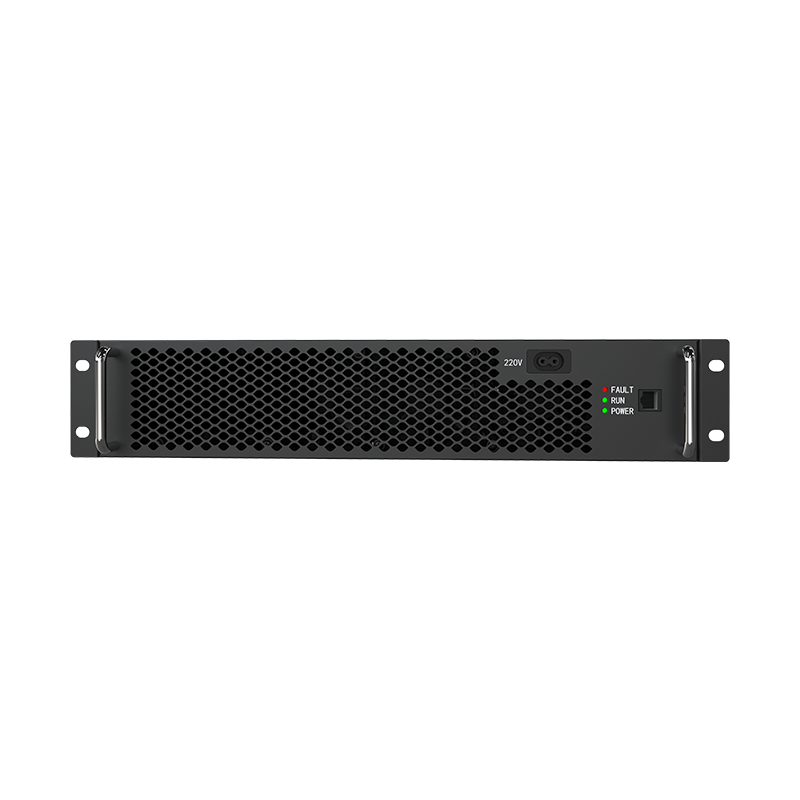
To improve reliability, many facilities use backup power architectures that combine multiple energy sources, including utility power, generators, and battery energy storage systems. A Static Transfer Switch (STS) plays an important role in these systems by enabling fast and reliable power source switching.
Unlike conventional switching equipment, an STS uses semiconductor technology to transfer electrical loads between power sources with minimal interruption. Understanding its function helps businesses design more resilient backup power systems for critical applications.
What Is a Static Transfer Switch?
A Static Transfer Switch is an automatic switching device that transfers electrical loads between two independent AC power sources. It continuously monitors the condition of each source and switches the load when the primary power supply becomes unavailable or unstable.
Unlike mechanical transfer switches that depend on physical movement, an STS uses solid-state components such as thyristors or similar semiconductor devices. This allows the switching process to occur much faster and improves protection for sensitive equipment.
In commercial and industrial environments, STS systems are commonly used where power continuity is essential. Examples include data centers, healthcare facilities, manufacturing plants, and communication infrastructure.
The main purpose of an STS is not to generate power but to ensure that connected equipment receives electricity from the most suitable available source.
How Static Transfer Switches Support C&I Backup Power Systems
A C&I backup power system usually includes multiple power sources to maintain operation during unexpected events. These sources may include utility grids, standby generators, and battery storage systems.
The STS works as a connection point between these sources and critical loads. Under normal conditions, the load receives power from the preferred source. If that source experiences voltage problems, frequency issues, or complete failure, the STS transfers the load to the alternative source.
This rapid transition helps reduce downtime and protects sensitive electrical equipment from unstable power conditions.
For facilities with strict uptime requirements, the STS provides an additional layer of reliability by ensuring that backup sources can be used immediately when required.
Why Fast Power Transfer Matters for Critical Loads
Not all electrical equipment has the same tolerance for power interruptions. Some devices can continue operating after a short outage, while others may shut down or experience damage.
Servers, industrial controllers, automated production systems, and medical equipment often require a highly stable power supply. Even a brief interruption may cause data loss, production delays, or system resets.
Because an STS can transfer power faster than many traditional switching solutions, it is suitable for applications where interruption time must be minimized.
However, STS performance also depends on the overall backup system design. The quality of power sources, energy storage capacity, and control strategy all influence the final reliability of the system.
Integration Between STS and Energy Storage Systems
The development of battery energy storage has expanded the possibilities of backup power design. Instead of relying only on traditional generators, many facilities now use battery systems to provide fast-response backup power.
In these systems, the Power Conversion System (PCS) manages the energy exchange between batteries and AC electrical networks. The PCS converts stored DC energy into AC power and controls charging and discharging operations.
Advanced technologies such as grid-forming PCS can provide additional support by helping maintain voltage and frequency stability during certain operating conditions. This capability is valuable in systems where battery storage needs to operate with greater independence from the traditional grid.
A VSG BESS PCS applies virtual synchronous generator control concepts to improve the interaction between battery storage and electrical systems. This approach can help storage systems provide more stable responses in applications requiring enhanced grid support.
At Enjoypowers, energy storage and power conversion technologies are developed around these evolving requirements, supporting applications where flexible energy control and reliable operation are important.
Static Transfer Switch Compared with Traditional Transfer Equipment
Although STS and automatic transfer switches (ATS) serve similar purposes, their operating principles are different.
Traditional transfer switches usually rely on mechanical contacts to physically change the connection between power sources. They are widely used in backup power applications and can provide reliable switching for many facilities.
An STS uses electronic switching components instead, allowing much faster transfer operation. This makes it more suitable for sensitive loads that cannot tolerate longer interruptions.
However, faster switching does not automatically mean an STS is the right choice for every project. System designers must consider factors such as load type, power source characteristics, operating environment, and budget requirements.
The best solution depends on the actual reliability requirements of the facility.
Selecting the Right STS for Industrial Applications
When selecting a Static Transfer Switch, several technical factors should be evaluated.
The first factor is load capacity. The STS must be able to handle the electrical demand of connected equipment without affecting system performance.
Power source compatibility is another important consideration. The STS should operate correctly with existing utility connections, generators, or battery-based power systems.
Facilities should also evaluate monitoring and control functions. Modern backup systems increasingly require real-time information about power conditions, source status, and system performance.
Future expansion should also be considered. As businesses add new equipment or increase energy demand, the backup architecture may need additional flexibility.
The Role of Advanced PCS Technology in Future Backup Systems
As energy systems become more distributed, backup power is evolving from a simple emergency solution into a more intelligent energy management platform.
Battery storage, advanced PCS technology, and fast transfer equipment can work together to improve system flexibility. Instead of only responding after an outage occurs, modern systems can actively manage energy flow and improve operational resilience.
An off-grid PCS, for example, can support applications where independent power operation is required. This is useful for remote facilities, microgrids, and locations where grid availability is limited.
By combining reliable switching equipment with advanced energy control technologies, businesses can create backup systems that better match modern operational requirements. Enjoypowers continues to follow these technology developments and their applications in industrial energy systems.
Conclusion
Static Transfer Switches are an important component in C&I backup power systems because they provide fast and reliable transfer between different power sources.
Compared with traditional mechanical switching equipment, STS technology offers faster response and better suitability for sensitive electrical loads. When integrated with battery storage systems and advanced PCS technologies, it can support more flexible and resilient power architectures.
For commercial and industrial facilities, selecting the right backup strategy requires evaluating load requirements, power sources, and future energy needs. Enjoypowers recognizes that reliable power systems depend on the combination of appropriate technologies, careful design, and practical application planning.