
Energy storage is becoming a strategic investment for factories, commercial buildings, and industrial parks that need better control over electricity costs and power reliability. However, selecting the right system architecture is not always straightforward. Different applications require different approaches, from reducing peak demand charges to maintaining operations during grid failures.
At Enjoypowers, we focus on developing reliable power conversion and energy management technologies for real industrial environments. Our energy storage system solutions help commercial and industrial customers achieve measurable savings while improving energy resilience. With deployments reaching 6GW, our C&I solutions are designed for projects ranging from 100 kW to 5 MW, supporting applications that require both economic benefits and dependable power supply.
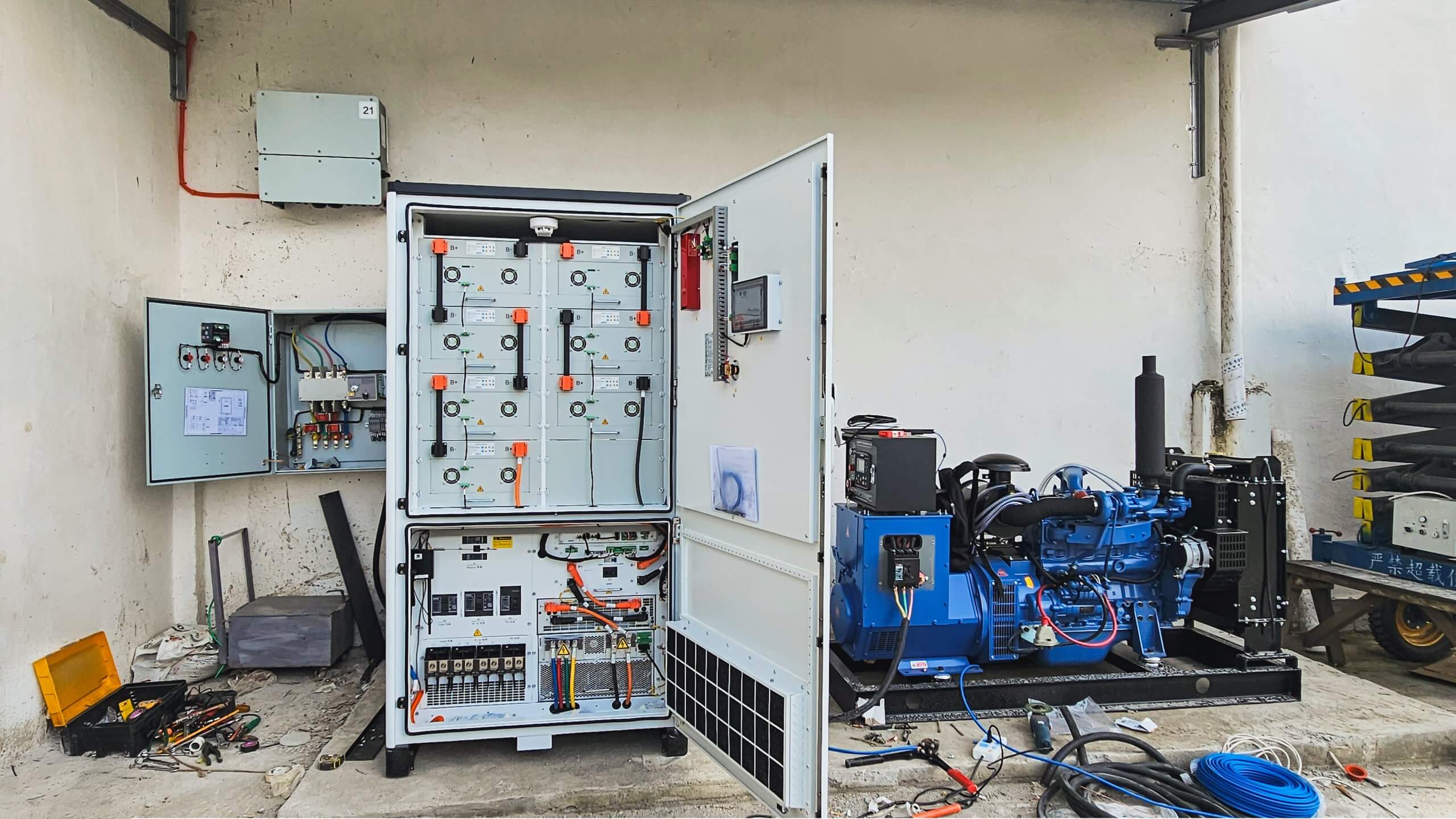
Understanding Different Types of Energy Storage System Solutions
Energy storage projects are generally divided into three categories: on-grid, off-grid, and hybrid systems. Each configuration has different operating principles and advantages, making it important for system integrators to select the right design based on customer requirements.
On-grid energy storage systems are connected directly to the utility network. They store electricity when costs are lower or renewable generation is available, then discharge energy during peak-price periods. This approach helps businesses reduce demand charges and optimize electricity consumption.
For many commercial facilities, on-grid systems are an effective way to improve energy efficiency. However, they typically depend on grid availability and may not provide backup power during outages unless additional capabilities are included.
How Off-Grid Energy Storage Supports Independent Power Supply
Off-grid energy storage systems are designed to operate without a connection to the utility grid. They provide independent power by combining battery storage with renewable energy sources such as solar generation or other local power resources.
These systems are valuable in remote locations, areas with unstable grids, and applications where continuous operation is essential. By managing energy production, storage, and consumption locally, off-grid systems help businesses maintain power availability without relying entirely on external electricity networks.
However, fully off-grid systems require careful planning. Battery capacity, renewable generation, and load requirements must be accurately calculated to ensure reliable operation under different conditions.
Why Hybrid Energy Storage Is Growing in Commercial Applications
Hybrid energy storage combines the advantages of both on-grid and off-grid configurations. These systems can operate while connected to the grid but also provide backup capability when grid interruptions occur.
For commercial energy storage solutions, hybrid designs are becoming increasingly popular because businesses need both financial savings and operational security. A factory may want to reduce electricity costs under normal conditions while also ensuring production continuity during unexpected outages.
At Enjoypowers, our C&I energy storage solutions are designed to support peak shaving, demand charge reduction, and backup power requirements. These systems are developed for factories, commercial buildings, and industrial parks where energy costs and reliability directly affect business performance.
Avoiding Common Problems in C&I Energy Storage Projects
Although energy storage technology has advanced significantly, some projects fail to achieve the expected financial and operational results. One common reason is that systems are designed only for tariff optimization without considering backup requirements.
If a facility needs outage protection, the battery system must support functions such as black start capability and seamless grid/off-grid transfer. Many grid-tied systems can reduce electricity costs but cannot maintain operations when the grid fails. The right commercial energy storage solutions should provide both economic value and energy security.
Another challenge is three-phase imbalance. Many commercial and industrial sites experience 8–20% phase imbalance caused by single-phase HVAC systems, lighting equipment, and EV chargers.
Generic PCS equipment may reduce output capacity or even shut down when imbalance occurs. As a result, the usable power may be significantly lower than the purchased nameplate capacity. A suitable PCS should be designed to handle 100% unbalanced loads to maximize system performance.
Designing Commercial Energy Storage Solutions for Real Savings
A successful C&I energy storage project starts with understanding the customer’s actual electricity profile. Factors such as load patterns, demand charges, outage risks, and future expansion plans should all influence system design.
At Enjoypowers, we size our commercial energy storage solutions according to real operational requirements rather than standard assumptions. Our systems are designed for measurable improvements, helping customers evaluate savings against their actual utility bills.
Our C&I energy storage solution supports installations up to 5 MW at a single site, with typical payback periods of 2–5 years depending on local electricity conditions and project configuration. By combining energy cost management with reliable backup capabilities, businesses can achieve stronger long-term value.
Building Flexible Energy Infrastructure with Enjoypowers
The future of commercial and industrial energy management requires systems that are both intelligent and adaptable. On-grid, off-grid, and hybrid architectures each serve different purposes, but the most effective solutions are those that match technology with real business needs.
At Enjoypowers, we provide advanced energy storage system solutions that help companies reduce electricity expenses, improve resilience, and prepare for changing energy demands. Through reliable PCS technology, flexible configurations, and industrial-focused design, we support customers in building energy systems that deliver practical returns.
For factories, commercial facilities, and industrial parks seeking long-term energy advantages, choosing the right C&I storage architecture is the first step toward achieving a more efficient and dependable power future.