
Energy storage systems are becoming increasingly important for commercial and industrial applications, where businesses need better control over energy usage, renewable energy integration, and power management. However, batteries and other energy sources often operate at different voltage levels, creating challenges in efficient energy transfer.
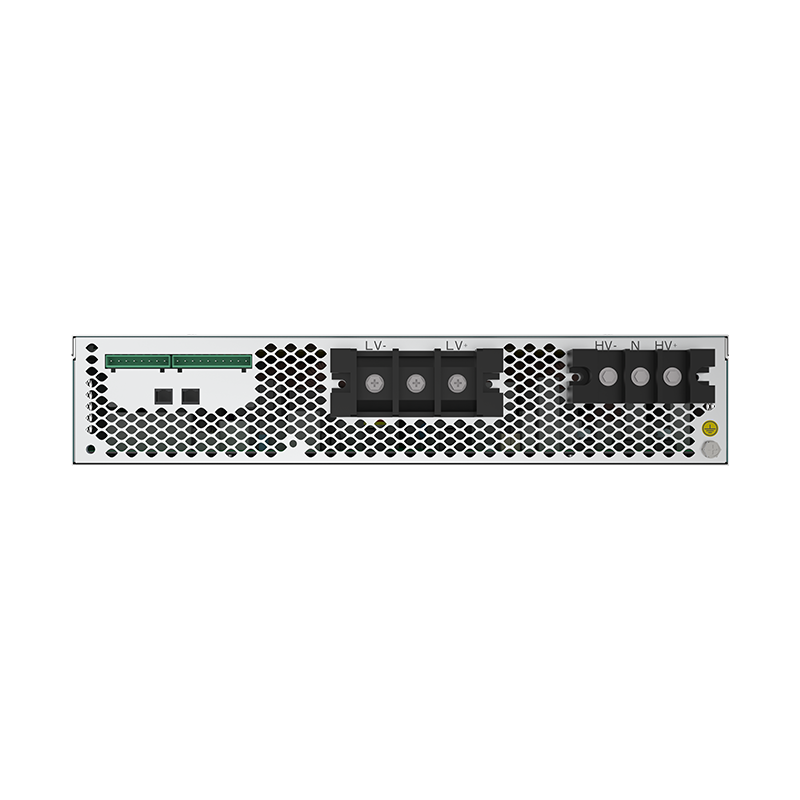
A bidirectional DC-DC converter solves this challenge by allowing power to flow in both directions between the battery system and the DC bus. It can regulate voltage, control charging and discharging processes, and improve the flexibility of energy storage system operation. In many energy storage architectures, the bidirectional DC-DC converter works as a key connection between batteries, photovoltaic systems, and power conversion equipment.
Understanding how this technology works helps businesses evaluate suitable energy storage solutions, especially for applications involving renewable energy, peak demand management, and DC-coupled system designs.
What Is a Bidirectional DC-DC Converter?
A bidirectional DC-DC converter is a power electronic device that enables electrical energy to move between two DC voltage sources in either direction. Unlike a traditional DC-DC converter that usually transfers power in only one direction, a bidirectional design supports both charging and discharging operations.
In an energy storage system, this means the converter can send electricity from the DC bus to the battery when charging is required. When stored energy needs to be used, it can transfer electricity from the battery back to the DC bus.
The ability to control two-way energy flow makes it an important component in battery energy storage systems. It allows batteries with different voltage characteristics to connect with the rest of the electrical system while maintaining stable operation.
How Bidirectional DC-DC Converters Work in Energy Storage Systems
In a typical energy storage application, batteries are connected to a DC bus through a bidirectional converter. The converter adjusts voltage levels and controls current flow according to system requirements.
During charging, electrical energy flows from the DC side toward the battery. The converter regulates charging current to help maintain safe and efficient battery operation.
During discharging, the energy flow reverses. The converter transfers power from the battery to the DC bus, allowing stored energy to support loads or connect with other power conversion equipment.
This two-way operation provides greater control compared with direct battery connections. It helps optimize battery performance while allowing different components within the energy system to work together effectively.
Why DC-DC Converter for Energy Storage Is Important
A DC-DC converter for energy storage plays an important role because battery voltage changes during charging and discharging. Without proper voltage conversion and control, connecting batteries directly to a DC bus may create compatibility and efficiency issues.
The converter provides several important functions. First, it manages voltage differences between batteries and other DC components. Second, it controls charging and discharging power according to operating conditions. Third, it improves system flexibility by allowing different battery configurations to be integrated.
For commercial and industrial energy storage projects, these capabilities are valuable because energy demands can change throughout the day. A properly designed converter helps the system respond to different operating conditions, such as renewable energy fluctuations or changing electricity consumption patterns.
The Relationship Between Bidirectional DC-DC Converters and DC-Coupled Battery Storage
A DC-coupled battery storage system connects renewable energy generation and batteries on the DC side before power is converted to AC. This architecture can reduce unnecessary conversion steps and improve system integration flexibility.
In a DC-coupled configuration, the bidirectional DC-DC converter manages the connection between the battery and the shared DC bus. It helps coordinate energy flow between photovoltaic generation, battery storage, and power conversion systems.
For example, when solar generation exceeds immediate demand, excess DC energy can be directed to charge the battery. When solar production decreases, stored battery energy can be released through the converter to support the system.
This architecture is commonly considered for projects where renewable energy and storage need to operate together efficiently. The converter provides the control flexibility required for managing multiple energy sources.
Key Benefits of Bidirectional DC-DC Converters in C&I Energy Storage
For commercial and industrial energy storage applications, bidirectional converters provide several practical advantages.
One major benefit is improved energy management flexibility. Businesses can store electricity when generation is available or when energy prices are lower, then release stored energy when it provides greater value.
Another advantage is system compatibility. Different battery technologies and voltage ranges may require specific voltage conversion solutions. A bidirectional converter allows these components to work together more effectively.
The technology also supports system expansion. As energy requirements grow, flexible DC architectures can make it easier to integrate additional storage capacity or renewable energy sources.
In modern C&I projects, these advantages help create energy systems that are more adaptable to changing operational requirements.
How Bidirectional DC-DC Converters Support Energy Storage Applications
Energy storage systems are used for many purposes, including renewable energy utilization, demand management, and energy cost optimization.
For facilities with solar generation, a bidirectional DC-DC converter can help maximize the use of locally generated electricity. Instead of sending excess solar energy directly to the grid, the system can store available energy for later use.
For facilities with fluctuating electricity demand, the converter helps control battery discharge according to load conditions. This supports strategies such as peak demand reduction and energy shifting.
At Enjoypowers, we focus on developing power conversion technologies that improve the flexibility and efficiency of energy storage systems. By integrating advanced DC conversion functions, energy storage solutions can better adapt to different commercial and industrial applications.
Important Factors When Selecting a Bidirectional DC-DC Converter
Choosing the right converter requires consideration of several technical factors.
Voltage range is one of the most important factors because the converter must match both the battery system and the DC bus requirements. Incorrect voltage compatibility can affect system performance and reliability.
Power capacity is also critical. The converter should support the required charging and discharging power based on the application scenario.
Efficiency and control capability should also be evaluated. Since energy may pass through the converter many times during daily operation, efficient conversion helps improve overall system performance.
Finally, compatibility with the complete energy storage architecture should be considered. The converter should work effectively with batteries, photovoltaic systems, PCS equipment, and energy management systems.
Bidirectional DC-DC Converters Enable Flexible Energy Storage Designs
Bidirectional DC-DC converters are essential components in modern energy storage systems because they enable controlled two-way energy transfer between batteries and DC networks.
By supporting voltage conversion, battery management, and flexible system integration, these converters help improve the performance of commercial and industrial energy storage projects.
For applications using DC-coupled battery storage, the converter provides an important connection between renewable energy sources and battery systems. Meanwhile, a reliable DC-DC converter for energy storage helps businesses create more adaptable and efficient energy management strategies.
As energy systems continue to evolve, bidirectional power conversion technology will remain an important foundation for building flexible, scalable, and intelligent storage solutions.