
The rapid growth of renewable energy, battery storage, and electrified industrial systems has increased the importance of efficient DC power management. Many modern energy systems contain multiple DC sources and devices that operate at different voltage levels, creating the need for controlled voltage conversion.
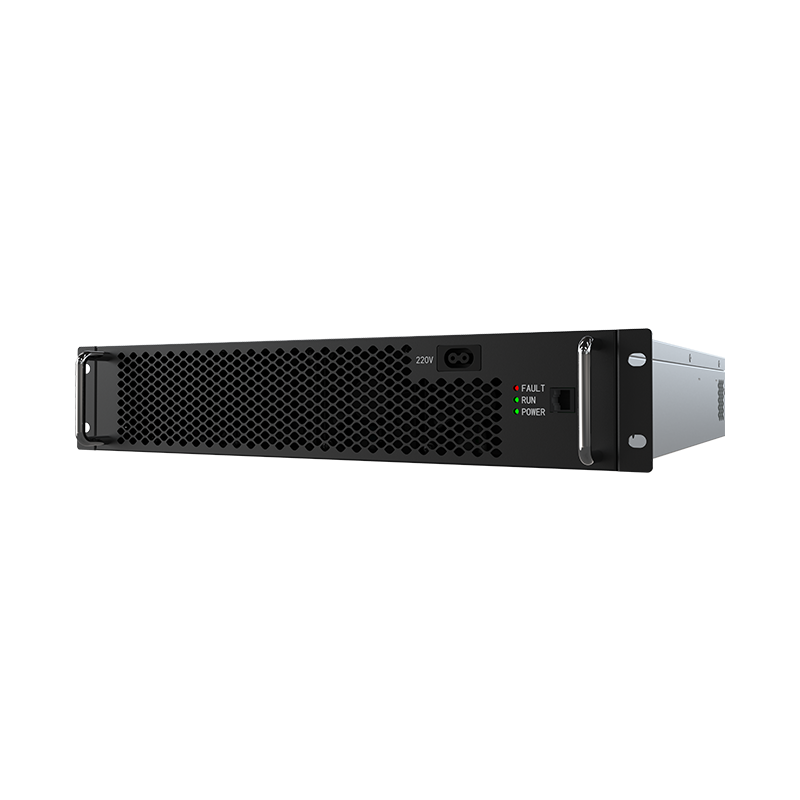
A DC/DC converter is a key power electronic device that regulates energy transfer between different DC circuits. It can adjust voltage levels, control current flow, and improve coordination between components such as photovoltaic modules, batteries, and DC buses.
Understanding the different types of DC/DC converters is important for engineers and system integrators because each converter design has different functions and application scenarios. Selecting the correct technology can influence system efficiency, stability, and long-term performance.
This article explains the three major types of DC/DC converters and their roles in renewable energy and energy storage applications.
Unidirectional DC/DC Converter: Simple One-Way Energy Conversion
A unidirectional DC/DC converter is designed to transfer electrical energy in only one direction. It converts the input DC voltage into a different output voltage level while maintaining controlled power delivery.
This type of converter is commonly used in systems where the energy source and destination remain fixed. For example, a power source may continuously supply energy to a DC load without requiring reverse power flow.
The main advantage of a unidirectional design is its relatively simple structure. Since the converter does not need to manage energy movement in both directions, the control system can focus on maintaining stable voltage conversion and efficient operation.
Typical applications include auxiliary power systems, DC power supplies, and certain renewable energy configurations where energy follows a predictable path.
However, unidirectional converters have limitations in energy storage systems. Batteries require both charging and discharging functions, meaning energy must move into and out of the storage unit depending on operating conditions. In these cases, a more flexible conversion method is usually required.
Bidirectional DC Converter: Supporting Energy Storage Applications
A bidirectional DC converter allows electrical energy to flow in two directions between connected DC systems. This capability makes it an important technology for battery energy storage and other applications requiring flexible power exchange.
During charging operation, the converter regulates power flowing from an external energy source into the battery. During discharge, it controls the reverse process by transferring stored energy back to the DC bus or connected loads.
The control requirements of a bidirectional converter are more complex compared with one-way conversion systems. The converter must maintain voltage stability, manage current direction changes, and protect connected components during different operating modes.
In commercial and industrial energy storage systems, bidirectional conversion enables batteries to participate in multiple applications. These may include storing renewable energy, reducing peak electricity demand, and providing backup power during grid interruptions.
The ability to manage two-way energy flow makes this technology an important part of modern energy storage architectures. Proper design of the converter directly affects system response speed, efficiency, and operational flexibility.
MPPT DC-DC Converter: Improving Renewable Energy Utilization
An MPPT DC-DC converter is mainly used in photovoltaic systems to maximize energy output from solar modules. MPPT, or Maximum Power Point Tracking, is a control method that allows the converter to identify and maintain the operating point where solar panels can produce the highest available power.
The output of photovoltaic modules changes constantly due to variations in sunlight intensity, temperature, and environmental conditions. Without proper tracking, solar systems may operate away from their optimal performance point.
The MPPT control algorithm continuously adjusts electrical parameters to match changing conditions. This allows more energy to be extracted from solar generation equipment and improves overall system utilization.
In solar-plus-storage applications, an MPPT DC-DC converter can help coordinate energy flow between photovoltaic generation and battery systems. It allows renewable energy to be collected efficiently while supporting controlled battery charging.
For commercial and industrial projects, this technology is especially useful where maximizing renewable generation and improving energy independence are important objectives.
Comparing the Three Types of DC/DC Converters
Although all DC/DC converters perform voltage conversion, their operating purposes are different.
Unidirectional converters are suitable for systems with fixed energy flow directions. They provide straightforward voltage regulation when reverse power transfer is unnecessary.
Bidirectional DC converters are designed for applications requiring flexible energy exchange. Their ability to control charging and discharging makes them suitable for battery storage systems and energy management applications.
MPPT DC-DC converters are specialized for renewable energy systems. Their main purpose is not only voltage conversion but also optimizing energy extraction from photovoltaic sources.
Choosing between these converter types depends on the system architecture, energy flow requirements, and operating objectives. Engineers should evaluate whether the application requires one-way conversion, two-way power exchange, or renewable energy optimization.
Key Factors When Selecting a DC/DC Converter
Several technical factors should be considered before selecting a DC/DC converter.
The first factor is voltage compatibility. The converter must support the input and output voltage ranges required by connected equipment. Incorrect voltage matching can reduce efficiency or affect system reliability.
Power capacity is another important consideration. The converter should provide sufficient power handling capability based on actual operating requirements while avoiding unnecessary oversizing.
Efficiency is also critical because energy losses during conversion can affect the overall performance of the system. Higher conversion efficiency helps reduce wasted energy and improves long-term operating economics.
Communication and control capability are increasingly important in modern energy systems. Integration with battery management systems, energy management platforms, and monitoring equipment allows better system coordination.
Based on practical experience at Enjoypowers, converter selection should always begin with understanding the complete electrical architecture rather than evaluating individual components separately.
DC/DC Converters in Energy Storage System Design
DC/DC converters play an important role in connecting different parts of an energy storage system. Batteries, renewable generation sources, and DC buses may operate at different voltage levels, requiring controlled power conversion.
In a commercial or industrial energy storage system, converters help regulate energy movement and maintain stable operation under changing load conditions.
For example, during periods of renewable energy generation, converters can help manage power transfer into batteries. During high-demand periods, they can support controlled energy release from storage systems.
As energy systems become more integrated, DC/DC converters are expected to provide greater flexibility and coordination between different energy sources.
At Enjoypowers, we have seen that effective DC power management depends on accurate system design and appropriate technology selection rather than simply choosing higher-capacity equipment.
Selecting the Right DC/DC Converter for Future Energy Systems
DC/DC converters are essential components in modern energy systems because they enable efficient voltage conversion and controlled power transfer.
The three main types—unidirectional DC/DC converters, bidirectional DC converters, and MPPT DC-DC converters—serve different technical purposes. Understanding their differences helps engineers select suitable solutions for renewable energy, battery storage, and industrial power applications.
The right converter choice depends on energy flow requirements, voltage conditions, power capacity, and system integration needs.
Enjoypowers continues to study practical power conversion applications and recognizes that reliable energy systems begin with a clear understanding of electrical requirements. As energy storage and renewable technologies continue to expand, DC/DC converter technology will remain an important foundation for efficient energy management.