
Data centers are the foundation of modern digital services, supporting cloud computing, artificial intelligence, financial systems, and enterprise applications. Because these facilities operate continuously, even minor electrical disturbances can affect equipment performance and operational reliability.
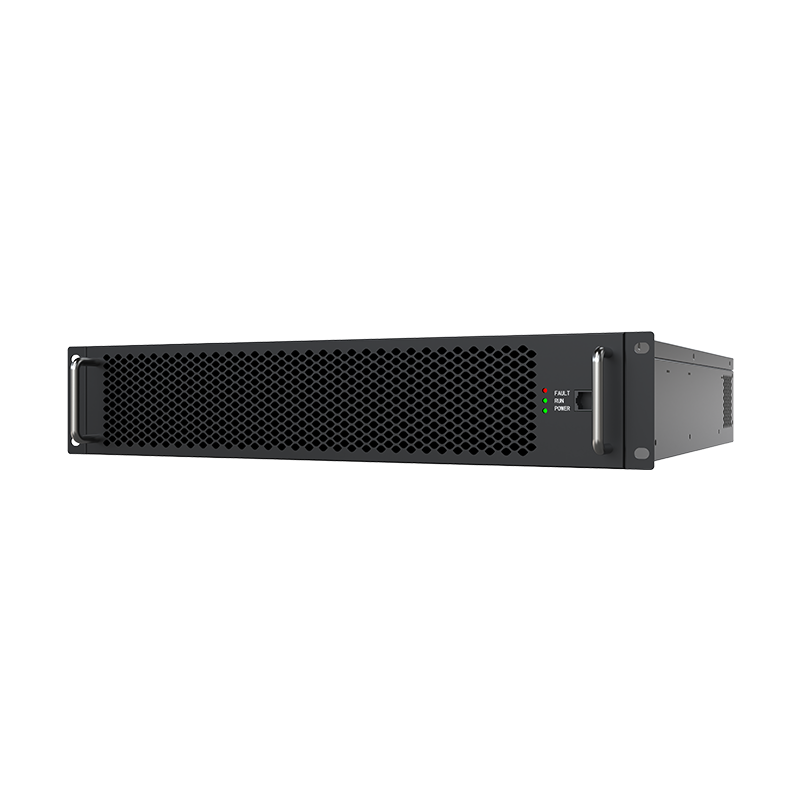
Among various power quality challenges, harmonic distortion has become one of the most important issues for modern data centers. The increasing use of power electronic equipment, including servers, UPS systems, and cooling systems, creates complex electrical conditions that require careful monitoring and management. Nonlinear loads can distort current waveforms and introduce harmonics into the electrical network.
At Enjoypowers, we focus on helping customers improve electrical stability through advanced power quality technologies. Understanding the causes and effects of harmonics is the first step toward building a more reliable data center power infrastructure.
What Are Harmonics in Data Centers and Why Do They Occur?
What are harmonics in data centers? In simple terms, harmonics are unwanted electrical components that appear at multiples of the fundamental power frequency. They occur when electrical devices do not draw current in a smooth sinusoidal pattern.
Traditional electrical loads generally consume power in a predictable way. However, modern data centers rely heavily on electronic equipment that uses switching technology. These devices create nonlinear current patterns, which can introduce harmonic currents into the distribution system.
Common sources of harmonics in data centers include server power supplies, UPS systems, variable frequency drives for cooling equipment, and other power conversion devices. As data center capacity increases, these loads can create greater challenges for electrical system management.
Data Center Power Quality Risks Caused by Harmonic Distortion
The main concern with harmonics is that they can reduce the quality of electrical power delivered to critical equipment. While the impact may not always be immediately visible, long-term harmonic problems can affect system efficiency and reliability.
One common consequence is additional heating in electrical components such as transformers, cables, and distribution equipment. Harmonic currents increase losses because electrical infrastructure must handle current components that were not part of the original design conditions.
Another issue is equipment performance instability. Sensitive electronic devices require clean and stable power. Excessive distortion can contribute to unexpected alarms, operational interruptions, or reduced equipment service life.
For this reason, maintaining strong data center power quality is essential for operators who need predictable performance from their electrical infrastructure.
The Impact of Harmonics on Critical Equipment
Data centers depend on many interconnected systems, and harmonic distortion can influence multiple parts of the electrical network.
UPS systems are particularly important because they protect critical loads during power interruptions. However, because UPS units contain power electronics, they can also be part of the harmonic generation process. Managing harmonic interaction between UPS systems and other loads is necessary for stable operation.
Cooling systems can also be affected. Modern chillers, fans, and pumps often use variable frequency drives to improve energy efficiency. These devices provide important control advantages but may contribute to harmonic distortion if the electrical system is not properly designed.
In addition, excessive harmonics can affect power factor and increase unnecessary energy losses. A comprehensive approach to power management helps operators maintain efficiency while supporting high availability.
How to Monitor Data Center Power Quality
Accurate measurement is essential when identifying harmonic problems. Engineers typically use power quality analyzers to evaluate voltage, current, frequency, waveform distortion, and harmonic levels.
One important measurement is total harmonic distortion (THD), which indicates the level of waveform distortion compared with an ideal sinusoidal waveform. By analyzing THD and individual harmonic components, operators can understand the severity and source of electrical issues.
Regular monitoring allows facility teams to identify problems before they become major operational risks. Instead of waiting for equipment failures, data centers can use measurement data to develop preventive maintenance strategies.
At Enjoypowers, we believe effective power quality management begins with accurate system analysis. Understanding the electrical environment allows engineers to select suitable technologies and avoid unnecessary investments.
Improving Data Center Power Quality with Advanced Technologies
Solving harmonic problems requires a strategy based on the actual operating conditions of each facility. Different data centers may have different load profiles, electrical designs, and expansion plans.
Active filtering technology is one approach used to compensate for harmonic currents. These systems detect unwanted harmonic components and generate compensation currents to improve waveform quality.
Power conversion system manufacturers also play an important role in modern energy infrastructure by developing equipment that supports efficient power conversion and stable electrical operation. Properly designed conversion systems can help integrate energy storage, renewable energy resources, and advanced power management functions.
In addition, facility operators should consider:
Performing regular power quality assessments.
Monitoring harmonic levels during different operating conditions.
Evaluating electrical equipment compatibility.
Planning power systems based on future load growth.
These steps help create a more flexible and reliable electrical environment.
The Future of Power Quality Management in Data Centers
As artificial intelligence, cloud services, and high-performance computing continue to expand, data centers will require more advanced electrical solutions. Higher power density and rapidly changing loads make power quality management increasingly important.
Future data centers will rely on intelligent monitoring, advanced compensation technologies, and integrated energy management systems. These solutions will help operators maintain stable performance while improving energy efficiency.
Enjoypowers continues to develop technologies that support modern power quality requirements. Our experience in power electronics and electrical optimization allows us to help customers address challenges associated with increasingly complex energy systems.
Conclusion: Managing Harmonics for More Reliable Data Centers
Harmonics are one of the most important power quality challenges facing modern data centers. They are mainly caused by nonlinear loads such as servers, UPS systems, and power electronic equipment.
By understanding what are harmonics in data centers, operators can take effective steps to measure, analyze, and reduce their impact. Proper monitoring, system design, and compensation technologies can improve electrical reliability and operational efficiency.
Enjoypowers provides professional power quality solutions designed to support stable and efficient data center operations. As digital infrastructure continues to grow, managing electrical performance will remain a key factor in building reliable energy systems.