
Data centers are designed around one priority: continuous and stable power delivery. However, increasing computing density, advanced servers, and complex electrical equipment are changing the way engineers approach data center power systems.
Power availability alone is no longer enough. Electrical efficiency, equipment utilization, and power quality are becoming important design considerations.
Power Factor Correction (PFC) is gaining attention because it helps address one of the fundamental challenges in modern data center electrical systems: managing the relationship between real power consumption and the total power drawn from the grid.
As an energy infrastructure solution provider, we see more data center projects evaluating power quality at the design stage instead of waiting for operational problems. Enjoypowers develops power quality solutions that help industrial users improve electrical system performance and reliability.
Why Data Center Electrical Design Is Moving Beyond Simple Power Availability
Traditional data center planning often focused on redundancy, backup power, and uptime protection. These remain essential, but modern facilities face additional electrical challenges.
High-density servers, power supplies, cooling systems, and network equipment create complex electrical loads. Many of these devices rely on power electronics, which can influence current waveforms and overall system behavior.
As data center capacity expands, electrical distribution systems must handle larger and more dynamic loads. Poor power quality can increase stress on infrastructure and reduce the effective utilization of electrical capacity.
This is why engineers are paying closer attention to power-related parameters during the design phase. A system that delivers electricity continuously but operates inefficiently may still create unnecessary infrastructure pressure.
Modern data center planning increasingly considers not only how much power is available but also how efficiently that power is used.
The Hidden Impact of Low Power Factor Inside Data Center Power Systems
Power factor represents the relationship between useful power and the total electrical power supplied. A lower power factor means a system requires more current to deliver the same amount of usable power.
For data centers, this can influence electrical distribution design. Higher current flow may place additional demands on transformers, switchgear, cables, and other components.
The challenge becomes more significant as facilities increase their power density. Even small inefficiencies can become more noticeable when electrical loads operate continuously at large scale.
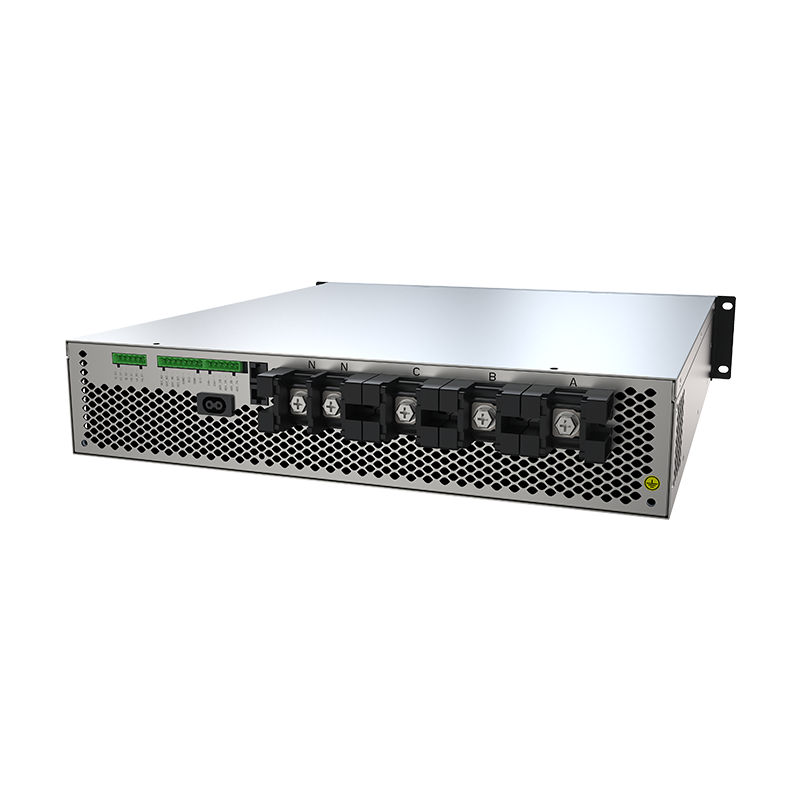
Data center PFC solutions are considered because they help manage reactive power and improve the overall efficiency of electrical utilization.
Power factor issues are also connected with broader power quality concerns. Harmonics, voltage fluctuations, and current distortion can affect sensitive electronic equipment if they are not properly managed.
A comprehensive power quality strategy allows data center operators to evaluate these factors together instead of treating each issue separately.
Why PFC Is Entering the Early Stage of Data Center Design
Previously, many facilities considered power factor correction after experiencing penalties, capacity limitations, or electrical performance concerns. Today, more engineers are integrating PFC considerations during initial planning.
The reason is that modern data centers require predictable electrical performance. Adding correction equipment after construction may involve additional installation complexity and system modifications.
Including PFC in the original design allows engineers to consider the relationship between power equipment, electrical distribution, and future expansion plans.
A power quality company with experience in industrial electrical environments can help customers evaluate these data center power quality requirements before they become operational issues. Enjoypowers provides power quality management solutions designed for applications where stable electrical performance is essential.
Early planning also gives operators more flexibility when selecting equipment configurations and designing electrical capacity.
How Engineers Evaluate PFC Requirements for Data Center Projects
PFC requirements are not identical for every data center. Engineers need to evaluate the characteristics of each facility before selecting a suitable approach.
Load composition is one important factor. Different server configurations, cooling systems, and supporting equipment can create different electrical conditions.
The expected expansion plan also matters. A data center designed for future capacity growth may require a power system that can maintain performance as loads increase.
Engineers also consider the interaction between PFC equipment and other power quality solutions. Correction systems should work effectively with existing electrical infrastructure rather than creating additional complexity.
The goal is not simply to install PFC equipment. The goal is to create a balanced electrical system that supports stable operation throughout the facility lifecycle.
For this reason, data center operators increasingly evaluate suppliers based on technical understanding rather than only equipment availability.
Building More Stable Data Center Power Infrastructure Through Better Power Management
The growing importance of PFC in data center design reflects a broader shift in infrastructure planning. Power systems are no longer evaluated only by whether they can supply electricity; they are judged by how efficiently and reliably they manage that electricity.
Data center PFC is becoming a design requirement because modern facilities need better control of electrical performance from the beginning.
For operators and engineering teams, considering power factor during the planning stage can help create a more efficient and resilient power environment.
We believe future data center development will continue moving toward integrated power quality management. Enjoypowers works with customers to improve electrical system stability through solutions focused on power quality and energy efficiency, helping data centers prepare for increasingly demanding power requirements.