
Sensitive electrical equipment does not always fail because power disappears completely. In many cases, even a short interruption between two power sources can affect operation, interrupt processes, or trigger unexpected shutdowns.
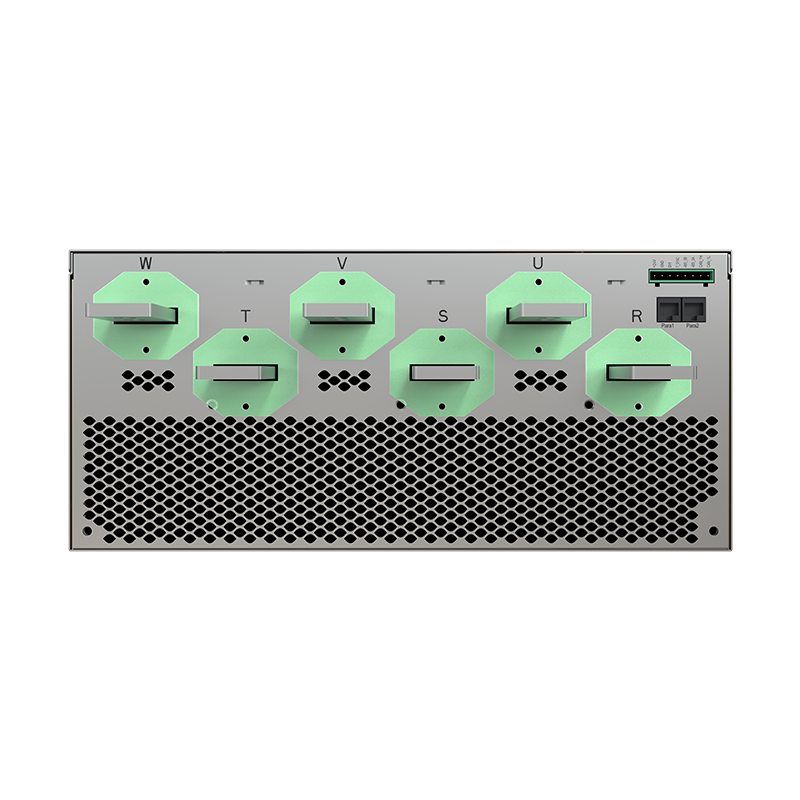
Critical facilities therefore pay close attention to transfer speed when designing backup power systems. A sub-cycle transfer switch is developed for applications where milliseconds can influence whether connected loads continue operating normally.
A complete power reliability strategy begins with understanding how quickly critical systems must respond during source changes. Our approach at Enjoypowers focuses on matching switching solutions to equipment requirements rather than providing only an alternative power connection.
Sensitive Loads Reveal the Limits of Conventional Power Transfer
Traditional power transfer methods are often suitable for general electrical loads, but sensitive equipment introduces stricter requirements.
Data processing systems, industrial controllers, communication equipment, and other critical electronics may react differently to brief power interruptions. A delay during source transition can cause control errors, operational pauses, or system resets.
The challenge is not only maintaining backup availability. The switching process itself must be fast enough to reduce the impact of a disturbance.
A transfer switch acts as the connection point between different power sources. When the primary source becomes unavailable, the system must recognize the event and move the load to the alternative supply.
For applications requiring rapid response, a UPS static transfer switch provides a faster transition method compared with many conventional mechanical switching approaches. Its role is to minimize the gap between power sources and help maintain continuity for critical loads.
The importance of transfer speed becomes clearer in environments where even a brief interruption creates operational consequences.
Transfer Time Determines How Well Critical Equipment Handles Grid Disturbances
Different electrical loads have different tolerance levels during power interruptions. Some equipment can continue operating through short disturbances, while other systems may immediately enter a fault state or restart sequence.
The transfer time of a switching device directly affects how much disruption reaches the connected load. Faster transfer reduces the duration of the power gap and improves the possibility of maintaining normal equipment operation.
A static automatic bus transfer switch is commonly used in systems that require reliable switching between available power sources. The selection of switching technology depends on factors such as system configuration, load sensitivity, and backup requirements.
For critical applications, engineers must consider more than whether a transfer switch can move between sources. They also need to understand how quickly and consistently that transition occurs under real operating conditions.
Enjoypowers evaluates transfer solutions according to the requirements of the overall power system. Rather than focusing only on the switching component, we consider how the device works together with energy storage, power conversion equipment, and connected loads.
Sub-Cycle Switching Technology Changes Backup Power Response
Sub-cycle transfer technology focuses on reducing the time between source loss and power restoration from an alternative source.
The term “sub-cycle” refers to a transfer response faster than one electrical cycle. In systems where power frequency affects timing, reducing transfer duration can significantly improve protection for sensitive equipment.
Modern power systems increasingly combine renewable energy, energy storage, and intelligent power management. These architectures require switching technologies that can coordinate quickly between different energy sources.
Enjoypowers integrates transfer solutions with commercial and industrial energy systems to support flexible power management. Our approach considers how switching performance contributes to the overall stability of the energy system.
A fast transfer capability is particularly valuable when backup sources must respond immediately to grid changes. The switching device becomes an important link between energy availability and load protection.
However, transfer speed alone does not define system effectiveness. The complete design must be designed to help ensure that the backup source is ready, stable, and capable of supporting the connected equipment.
Selecting a Transfer Solution Requires More Than Looking at Speed Ratings
Transfer speed is an important evaluation factor, but it should be considered together with system requirements.
Sensitive loads may require attention to source coordination, power quality, installation environment, and future expansion plans. A switching device must operate correctly within the entire electrical architecture.
Engineers should evaluate whether the transfer system matches the application scenario. A facility supporting critical industrial processes may have different requirements from a commercial building with general backup needs.
Integration capability also matters. Modern facilities often combine multiple technologies, including energy storage systems, power conversion equipment, and backup sources. The transfer solution must work effectively within this wider configuration.
A well-designed system considers not only how quickly the transfer occurs but also whether the complete power infrastructure can maintain stable operation before, during, and after the transition.
Faster Transfer Creates a More Resilient Power Architecture
Transfer speed matters because sensitive loads experience power interruptions differently from ordinary electrical equipment. A delay of only a short duration may determine whether a system continues operating or requires recovery.
Sub-cycle transfer technology provides a way to reduce interruption time and strengthen backup power performance for demanding applications.
The most suitable solution depends on understanding the relationship between switching speed, load requirements, and system design. Fast transfer capability becomes valuable when it supports the actual operational needs of the facility.
Reliable critical power continuity depends on how effectively transfer technology works with energy storage and load management systems. At Enjoypowers, we support the development of power architectures that combine rapid source transition with dependable backup performance.
A resilient power system is not built from one component alone. It depends on how effectively every part responds when normal conditions change.