
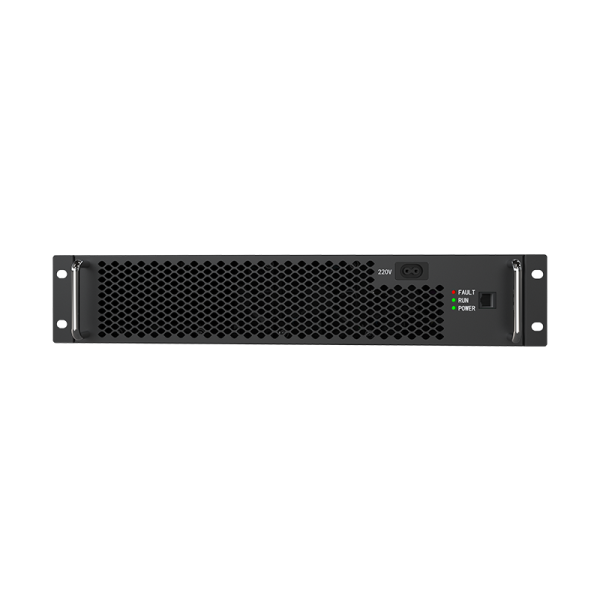
Modern energy systems are increasingly combining multiple power sources, including solar generation, battery storage, fuel cells, and other distributed energy resources. Because these sources often operate at different voltage levels and have different output characteristics, efficient energy coordination becomes a major technical challenge.
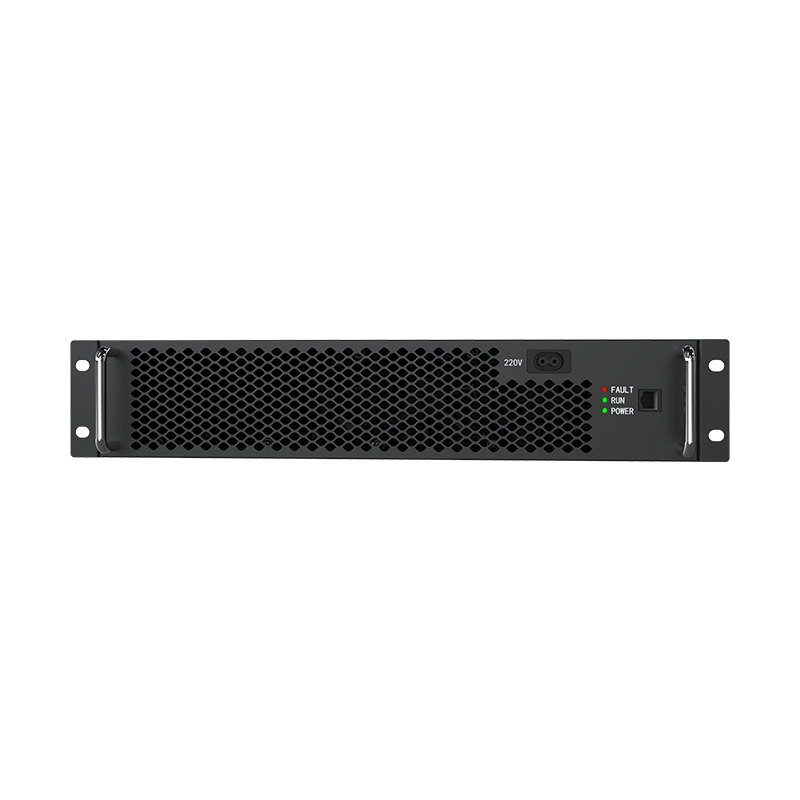
A DC-DC bus converter provides a critical connection between different DC power sources and the common DC bus. It regulates voltage, controls energy flow, and helps different components operate together within a hybrid energy architecture.
For commercial and industrial energy applications, the converter is not simply a voltage adjustment device. It is an important control component that improves system flexibility, energy utilization, and operational stability.
Managing Power Flow Between Multiple DC Sources
In a hybrid energy system, different power sources rarely produce identical voltage outputs. Solar panels may experience changing voltage depending on sunlight conditions, while batteries operate within a specific voltage range based on their charge status.
A DC-DC bus converter solves this compatibility issue by adjusting voltage levels between different components. It allows energy sources with different electrical characteristics to connect to a shared DC bus without requiring every component to operate at the same voltage.
This function is especially important in systems that combine renewable generation with energy storage. By controlling power transfer between sources, the converter helps maintain stable DC bus operation even when input conditions change.
Improving Energy Coordination Between Sources
Hybrid energy systems require intelligent coordination because energy availability and demand can change throughout the day. A DC-DC converter helps manage these changes by controlling how much power each source contributes to the system.
For example, when solar generation exceeds current demand, excess electricity can be directed toward battery charging. When solar output decreases, stored energy can be released through controlled conversion to support loads.
This process improves the utilization of available energy and reduces unnecessary conversion losses. In systems with multiple energy sources, effective power management is essential for achieving stable and efficient operation.
Enjoypowers applies advanced DC power conversion technologies to support flexible energy storage and hybrid power applications, focusing on reliable energy transfer between different system components.
Key Performance Factors to Consider
When evaluating what is the best DC-to-DC converter for a specific application, there is no single answer because requirements vary depending on system design, power capacity, and operating conditions.
One important factor is conversion efficiency. A high-efficiency converter reduces energy losses during power transfer, which can improve the overall performance of the hybrid energy system.
Another important factor is voltage adaptability. Since different energy sources may operate within different voltage ranges, the converter should provide stable operation across changing input and output conditions.
Response speed is also important. In applications where energy sources change rapidly, the converter needs to adjust power flow quickly to maintain DC bus stability.
Supporting Flexible Energy Storage Operation
A bidirectional DC-DC converter allows energy to move in both directions between connected components. This means it can transfer power from a source to a battery during charging and send energy back from the battery when additional power is required.
This capability makes bidirectional designs highly suitable for energy storage applications. Battery systems can absorb excess renewable energy and later provide power when demand increases.
Compared with one-way conversion systems, a bidirectional DC-DC converter provides greater flexibility for modern energy management. It supports applications such as peak demand control, renewable energy integration, and backup power operation.
Maintaining Consistent Voltage Performance
The DC bus acts as a central connection point in many hybrid energy systems. Maintaining stable DC bus voltage is essential because connected equipment depends on consistent electrical conditions.
A DC-DC converter helps regulate voltage fluctuations caused by changes in generation or consumption. This control function protects connected devices and improves overall system reliability.
In industrial environments, where energy demand may change frequently due to production activities, stable DC bus performance becomes even more important. A properly designed converter can help the system respond effectively to these variations.
Application Scenarios for DC-DC Bus Converters
Supporting Commercial and Industrial Energy Systems
DC-DC bus converters are widely used in applications that require coordination between multiple energy sources. These include commercial energy storage systems, renewable energy projects, microgrids, and industrial power management systems.
For example, a facility with solar panels and battery storage may use a DC-DC converter to manage energy transfer between photovoltaic generation, storage batteries, and the main DC bus.
In electric vehicle charging infrastructure, converters can also help coordinate different power sources and storage units, improving system flexibility and charging efficiency.
Important Considerations Before Deployment
Choosing a suitable converter requires a detailed evaluation of system requirements. Engineers should consider factors such as rated power, voltage range, efficiency targets, cooling methods, and communication compatibility.
The converter must also match the characteristics of connected batteries and power sources. Incorrect selection can reduce system performance and create unnecessary operational challenges.
Scalability is another consideration. As energy requirements increase, flexible converter designs allow systems to expand without major changes to the overall architecture.
Building More Flexible Hybrid Energy Systems
DC-DC bus converters play an essential role in connecting and managing multiple energy sources within modern hybrid systems. By controlling voltage conversion and power flow, they help improve energy utilization, system stability, and operational flexibility.
Technologies such as bidirectional DC-DC converters provide additional advantages by enabling two-way energy transfer between storage systems and power sources. This makes them valuable for applications requiring dynamic energy management.
As hybrid energy systems continue to develop, selecting the right DC-DC conversion technology will become increasingly important. A well-designed converter can help businesses create more efficient and adaptable energy infrastructures while supporting future energy management needs. This raises a critical question: what is the best DC-to-DC converter? The answer, however, is not a single product or topology—it depends on factors such as voltage range, power rating, efficiency targets, cost constraints, and the specific dynamics of the hybrid system, making the “best” choice highly application-dependent.