
UPS Harmonic Filter: Why Upstream Equipment Needs Protection from UPS Harmonics
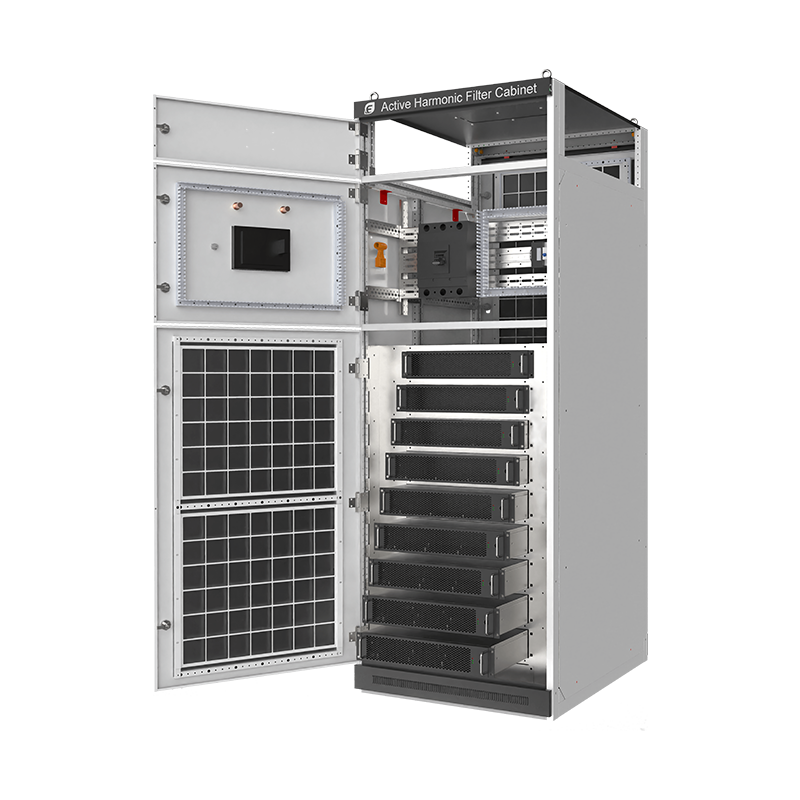
A UPS system is designed to protect critical loads from power interruptions, but it does not automatically eliminate every power quality issue within an electrical network. In many industrial facilities, the UPS itself can become a source of harmonic distortion that affects upstream electrical equipment. As facilities rely on more power electronic devices, managing current […]
THD Reduction Roadmap: Technical Workflows for Moving Facilities from Non-Compliance to Grid Standard Compliance
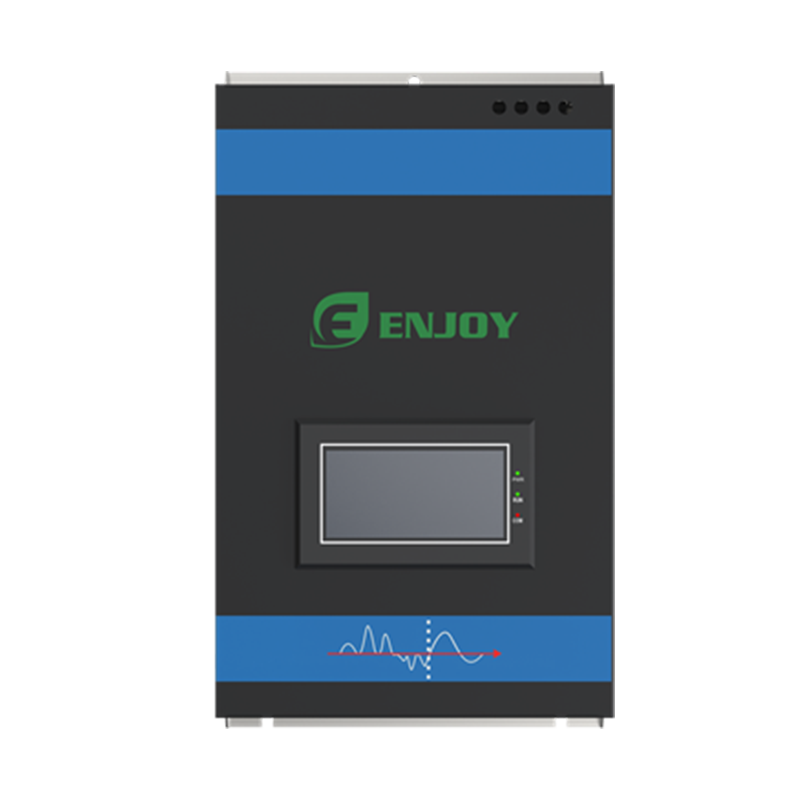
Industrial electrical networks with significant nonlinear loads may experience harmonic distortion levels that exceed applicable limits. Excessive harmonic current pollution elevates operating temperatures across primary distribution transformers, causes nuisance tripping of main circuit breakers, distorts control signals, and severely degrades insulation in medium-voltage equipment. Local electrical utility providers strictly enforce total demand distortion limits at the […]
Cabinet-Type Active Harmonic Filter Supplier Selection Guide: Design and Deployment Checklist
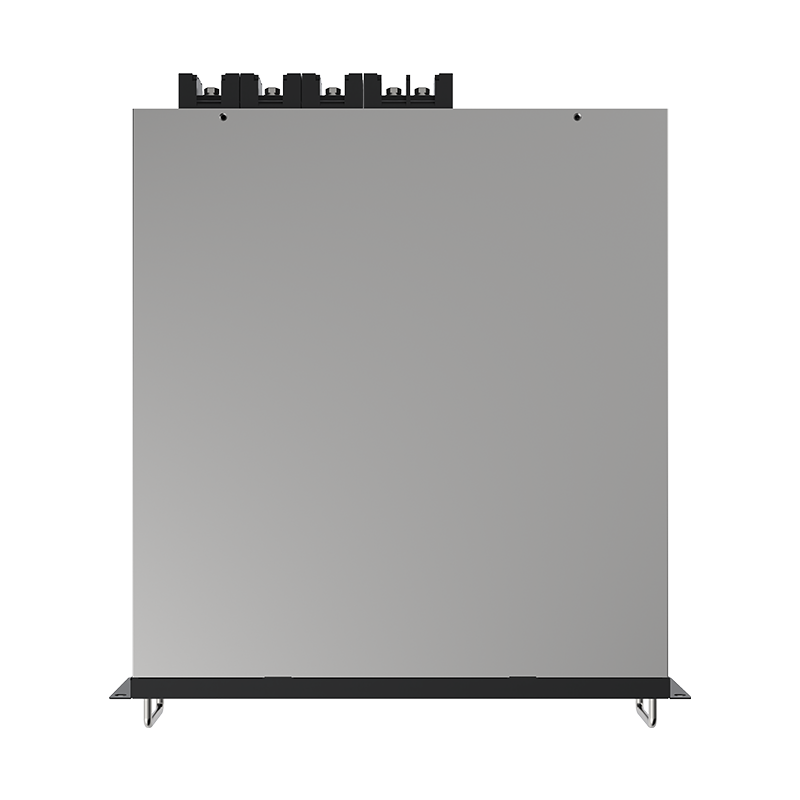
Choosing a cabinet-type Active Harmonic Filter (AHF) supplier requires more than selecting a device with a suitable current rating. In commercial and industrial electrical systems, the filter must match the harmonic source, installation environment, distribution structure, and operational requirements. Many project issues occur because the AHF is selected before the electrical conditions are fully evaluated. […]
Peak Shaving Explained: How Facility Managers Can Reduce Demand Peaks with Energy Storage
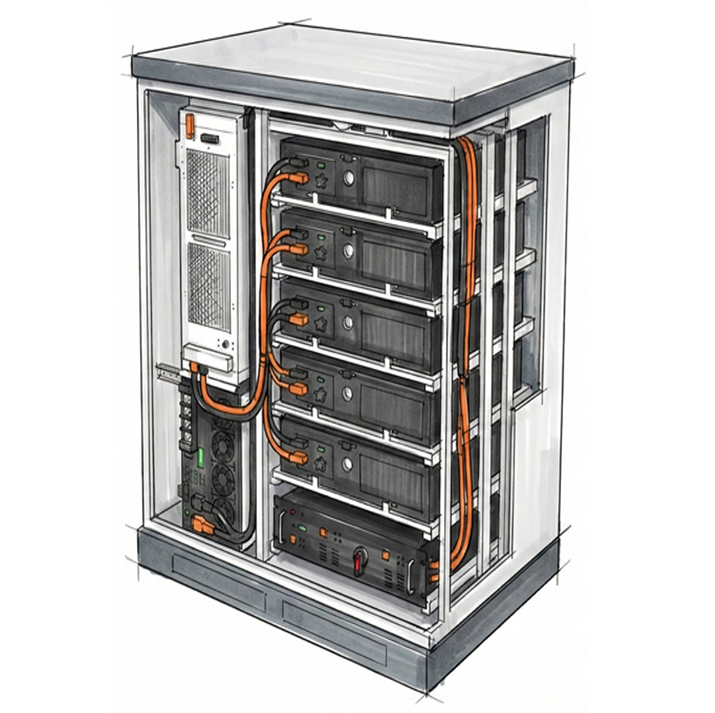
Electricity bills are not always driven only by how much energy a facility consumes. In many commercial and industrial sites, a major cost factor comes from short periods when power demand reaches its highest level. These demand peaks may occur when multiple machines start at the same time, production schedules overlap, or large equipment operates […]
Maximizing Time-of-Use Tariff Savings Through Strategic Commercial and Industrial Battery Storage Arbitrage
Utility providers across major industrial markets are rapidly shifting toward aggressive Time-of-Use rate structures to mitigate regional grid stress during peak demand hours. Manufacturing facilities and commercial buildings operating under these dynamic tariffs face escalating electricity expenditures during afternoon and early evening operational windows. Shifting heavy power consumption away from expensive peak tariff hours provides […]
How BESS Reduces Demand Charges for Industrial Electricity Costs
Industrial electricity bills are often influenced by more than total energy consumption. A facility may operate efficiently throughout most of the month but still receive a high utility charge because of a short period when electricity demand reaches its maximum level. Demand charges create this challenge by measuring the highest power demand recorded during a […]
Optimizing Peak Shaving Battery Storage: Technical Mechanics, Demand Charge Reduction, and Commercial Financial Savings
Industrial facilities face utility bills dominated by two distinct charges: energy consumption (kWh) and power demand (kW). While consumption measures total electricity drawn over time, demand charges are often based on the highest average power demand recorded during a defined billing interval, such as 15 minutes, depending on the applicable utility tariff. Sudden motor starts […]
Sustainable Energy Storage Solutions for 2026: How C&I Facilities Are Redesigning Energy Management
Commercial and industrial facilities are entering a different phase of energy storage adoption in 2026. Earlier projects often focused on reducing electricity costs through simple charging and discharging schedules. Today, companies are looking for storage systems that can respond to changing energy prices, support renewable integration, and improve operational flexibility. The question is no longer […]
How to Choose an Industrial Harmonic Filter Supplier for Heavy-Duty Electrical Systems
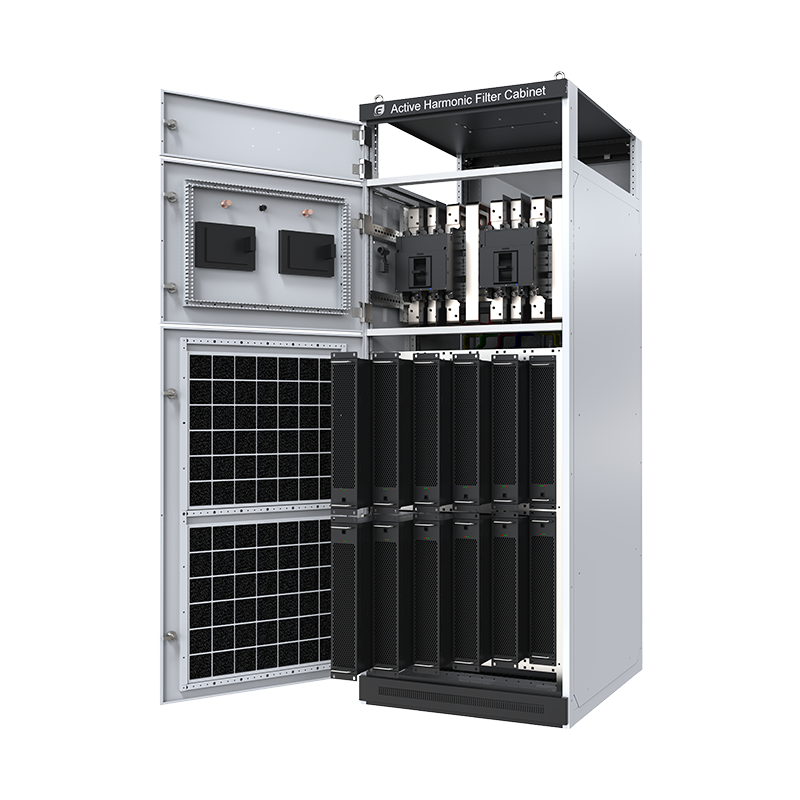
Heavy-duty industrial applications require more than a simple comparison of equipment models or prices when choosing an industrial harmonic filter supplier. Factors such as harmonic sources, changing load conditions, and production requirements can directly affect electrical system stability and determine whether a filtering solution delivers lasting value. Beyond product availability, supplier capability plays a critical […]
Taming Extreme Voltage Flicker and Heavy Harmonic Loads in Steel Mill Networks
Steel mills operate under some of the most harsh and unforgiving power quality environments found in heavy manufacturing. High-tonnage Electric Arc Furnaces create chaotic, non-linear current spikes during initial scrap metal cave-ins, causing severe voltage flicker across regional power grids. At the same time, high-power rolling mill motor drives create pervasive electrical noise, causing transformer […]